
Table of Contents
Unseen Health Crisis: Feline Urinary Problems Are Increasing
In Hong Kong, an increasing number of indoor cats are facing the same hidden health concern: urinary system issues. Many owners believe that as long as their cat has normal energy levels and a good appetite, everything is fine. However, problems like feline urethritis often have almost no obvious early signs. Once they flare up, the situation can deteriorate rapidly, even leading to dangerous conditions where the cat cannot urinate.
Especially when cats do not drink enough water and rely on dry food as their primary diet for a long time, the risk of urinary problems increases significantly. One crucial factor in this is often overlooked by many: the magnesium content.
Why exactly does cat food need a controlled-magnesium formula? This is directly related to the formation of urinary stones.
What Are Feline Urinary Stones? Understanding Cat Bladder Stones and Common Symptoms
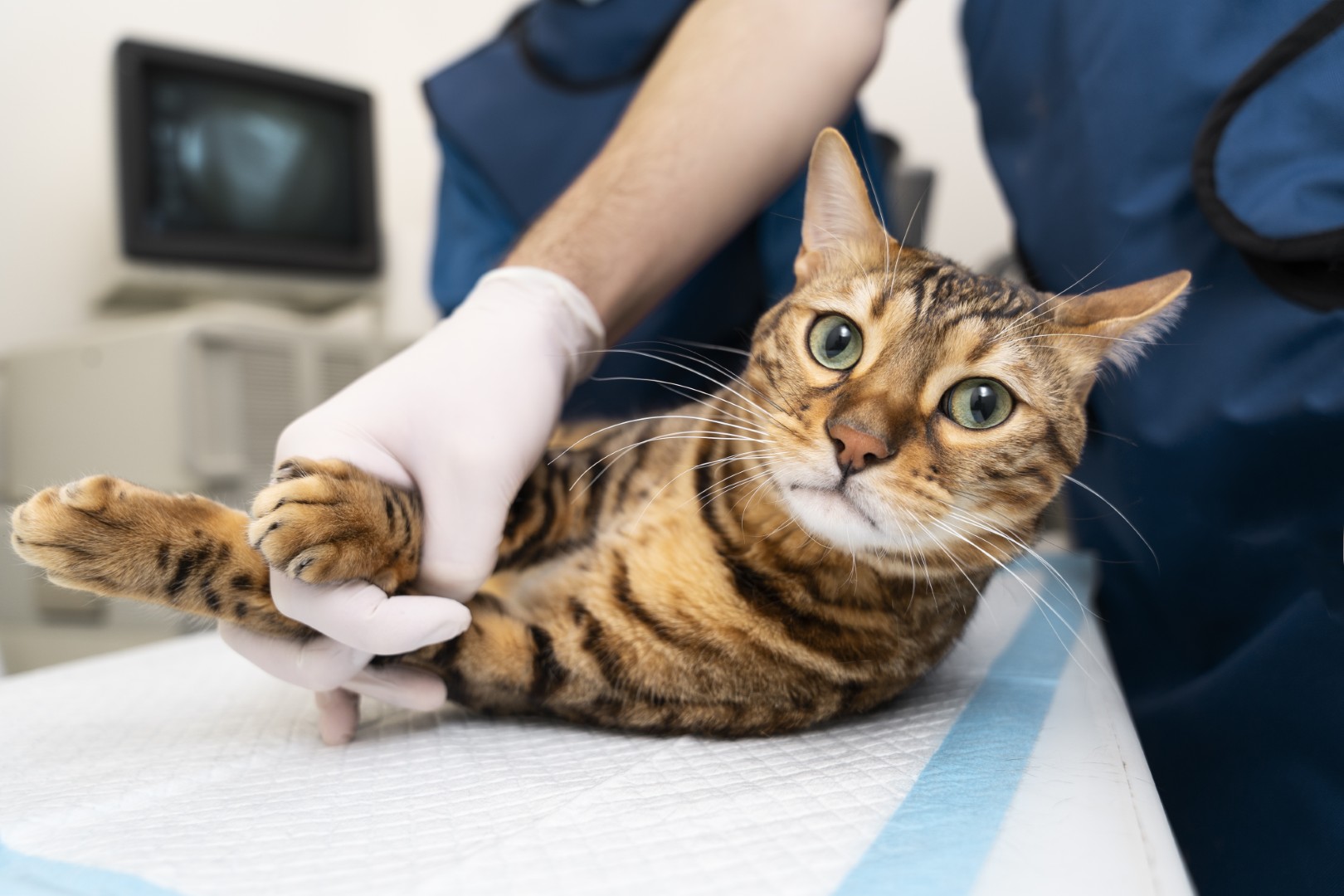
Urinary stones refer to mineral crystals that form in a cat's bladder or urethra. When these crystals accumulate, they become what we commonly refer to as "cat bladder stones."
There are two main types of common stones: Struvite (magnesium ammonium phosphate) stones and Calcium Oxalate stones. Among them, Struvite stones are closely related to the magnesium content in the diet.
This type of problem is particularly common in male cats because their urethras are narrower. Once a blockage occurs, it can develop into severe feline urethritis or even lead to acute urinary retention.
Common symptoms include:
- Frequent trips to the litter box
- Difficulty urinating or inability to urinate
- Blood in the urine (hematuria)
- Urinating outside the litter box
- Obvious pain or restlessness
Many owners only start searching for feline urethritis medication at this stage, but in reality, the problem has usually been accumulating for some time.
The Relationship Between Magnesium and Stones: Why is Controlled Magnesium Crucial?
Magnesium is actually an essential mineral for cats, aiding in nerve and muscle function. However, the problem arises when it is consumed in excess, as it can become the "raw material" for stone formation.
In urine, magnesium binds with phosphate and ammonium to form crystals. If the urine concentration is high and the pH level is alkaline, these crystals are more likely to deposit and gradually turn into stones.
In other words, a high-magnesium diet brings several risks:
- Increasing the mineral concentration in the urine
- Raising the probability of crystal formation
- Altering the urine's pH value, promoting stone generation
This is why modern urinary cat foods specifically emphasize a controlled-magnesium formula.
But note that "controlled magnesium" does not mean completely magnesium-free. Levels that are too low can also affect health; the key lies in precise control and overall nutritional balance.
How is Controlled-Magnesium Cat Food Designed?
A truly effective urinary health is not just about simply lowering magnesium, but involves a multifaceted approach.
First, maintain magnesium levels within a safe and low-risk range (typically calculated on a dry matter basis).
At the same time, high-quality urinary cat food will also:
- Enhance palatability to encourage food and water intake
- Balanced sodium and potassium levels help support urinary health
- Contain highly digestible protein sources to support overall wellbeing
These designs are all aimed at fundamentally reducing the incidence of feline urethritis and related diseases.
Beyond Magnesium: Critical Factors Affecting Feline Urethritis
Although controlled magnesium is important, relying solely on this is not enough.
Clinically, the factors leading to feline urethritis are often multiple, including:
- Insufficient water intake (one of the most critical factors, especially common when cats refuse to drink water)
- High overall mineral intake
- Long-term stress (multi-cat households, environmental changes)
- Low activity levels and obesity
- Unclean or insufficient litter boxes
For example, even if some cats eat urinary cat food, if they still rarely drink water, their urine concentration will remain high, and the risk of stones will still exist.
Common Misconceptions Debunked: Controlled Magnesium Does Not Equal Complete Prevention
Many owners mistakenly believe that as long as they choose a controlled-magnesium formula, they can completely avoid urinary problems.
This is not the case. First, controlled magnesium primarily targets Struvite stones, but the management approach for Calcium Oxalate stones is entirely different.
Second, feline urethritis is often related to stress and the living environment, not just diet.
Furthermore, if severe symptoms have already appeared, such as the cat being unable to urinate, diet alone cannot solve the problem. Immediate medical attention is required, rather than relying on self-medication with feline urethritis drugs.
How to Choose the Right Urinary Cat Food?
When making a purchase, pay attention to these key points:
- Whether it is labeled as a urinary health or urinary cat food formula
- Whether the magnesium content is clearly listed and on the lower side
- Whether it has a design to regulate urine pH
- Whether the brand has a nutritional research or clinical foundation
- Whether the cat is willing to eat it long-term (palatability is very important)
At the same time, it is recommended to pair it with wet food or other methods to increase water intake.
Daily Prevention Suggestions: Improving Cat Water Intake and Lifestyle Management
To prevent feline urethritis, daily management is actually more important than any product.
You can start with the following aspects:
- Use a flowing water fountain to increase the willingness to drink
- Place water bowls in different locations around the home
- Adopt a mixed diet of dry and wet food
- Keep the litter boxes clean and ensure there are enough of them
- Reduce environmental stress
- Take your pet to the veterinarian for regular health checkups.
These habits can significantly lower the risk of cat bladder stones and other urinary problems.
Recommended Choice: SmartHeart Gold Controlled-Magnesium Formula Cat Food
In daily diet management, choosing the right formula is a very important step.
SmartHeart Gold 貓糧系列The entire SmartHeart Gold cat food series utilizes a controlled-magnesium formula, which helps improve the cat's urinary system function and reduces the chances of developing kidney stones, feline urethritis. The formula also balances nutrition and palatability, making it suitable for long-term consumption by cats, allowing urinary health to be established through daily diet.
FAQs
Why is a controlled-magnesium formula important for feline urinary health?
A controlled-magnesium formula helps reduce the magnesium content in the urine, lowering the chances of forming magnesium ammonium phosphate crystals. This thereby reduces the risk of feline urethritis and cat bladder stones, making it a core design of common urinary cat foods.
Can urinary cat food prevent feline urethritis?
Urinary cat foods can reduce the risk of stone formation by controlling magnesium content and regulating urine pH, but they must be combined with water intake and lifestyle management to effectively prevent feline urethritis.
Why does a lack of water intake increase urinary problems in cats?
When cats do not drink enough water, their urine becomes concentrated, and minerals are more likely to deposit and form crystals, increasing the risk of feline urethritis and the inability to urinate.
Do all cats need a controlled-magnesium formula?
Not all cats need an extremely controlled-magnesium diet, but for cats at high risk of urinary problems or those with a history of feline urethritis, choosing a controlled-magnesium urinary cat food is more suitable.
When a cat cannot urinate, can you rely solely on diet or feline urethritis medication?
The inability to urinate is an emergency situation. You cannot rely solely on diet or use feline urethritis medication on your own; immediate medical attention should be sought to avoid life-threatening consequences.